
Half a century ago, thousands of people descended on a small plot of farmland in New York for what was about to become one of the defining moments of an era. It's highly unlikely that the festival goers and musicians at Woodstock knew that they were about to witness history. Woodstock would end up being burned into America's cultural psyche. That's why archeologists continue to visit the site and make new discoveries that shed light on the festival more than 50 years later.
Woodstock Happened Thanks to a Conservative Dairy Farmer Who Leased His Land for the Event
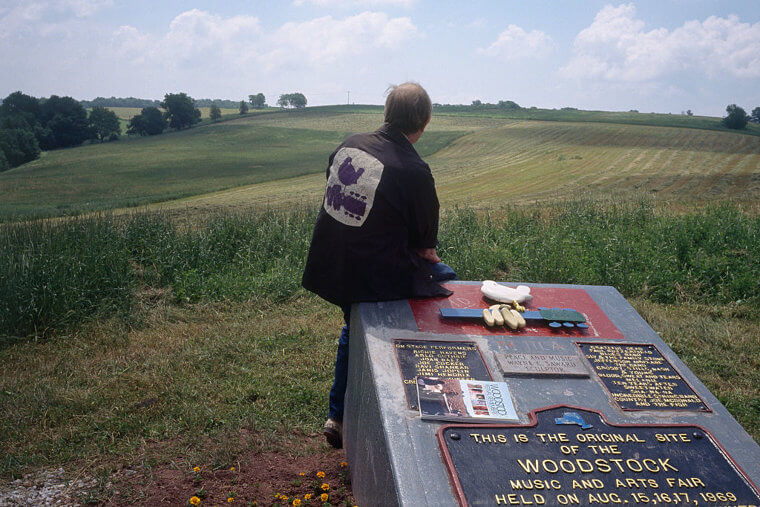
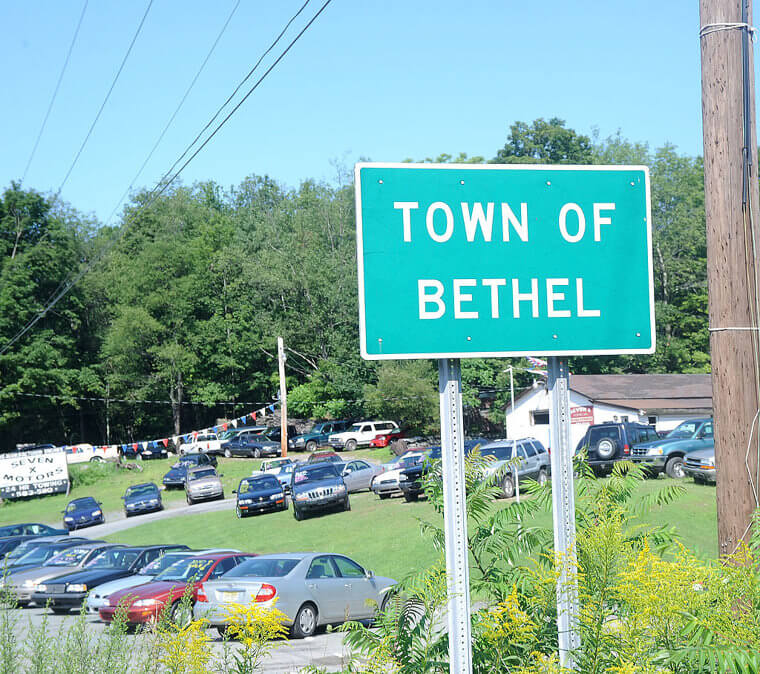
Max Yasgur was a middle-aged, conservative-leaning dairy farmer, which made him an unexpected savior for the 1960s counterculture movement. Despite facing significant backlash and even death threats from his neighbors in Bethel, he stood his ground and leased his land to the organizers when no one else would. He reportedly felt that if the younger generation was trying to find a peaceful way to communicate, they deserved a chance to be heard.
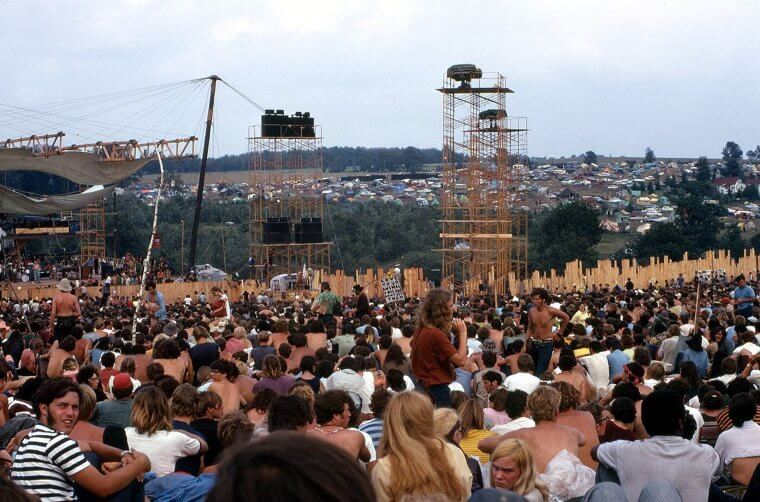
His 600-acre farm became the hallowed ground for the event. He even addressed the massive crowd from the stage, calling them a "half million people" who found a way to live in harmony.
Woodstock's Stage Announcer Kindly Warned the Crowd About the "brown Acid" Circulating
Safety was a top priority with such an overwhelming, unmanaged crowd, leading to some of the most legendary stage announcements in music history. One of the most famous warnings was delivered by Chip Monck, the festival’s lighting designer who was pressed into service as an announcer. He famously cautioned the massive audience about the "brown acid" circulating through the camp. Monck reportedly told the sea of people that while it wasn't necessarily "poison," it was "badly manufactured."
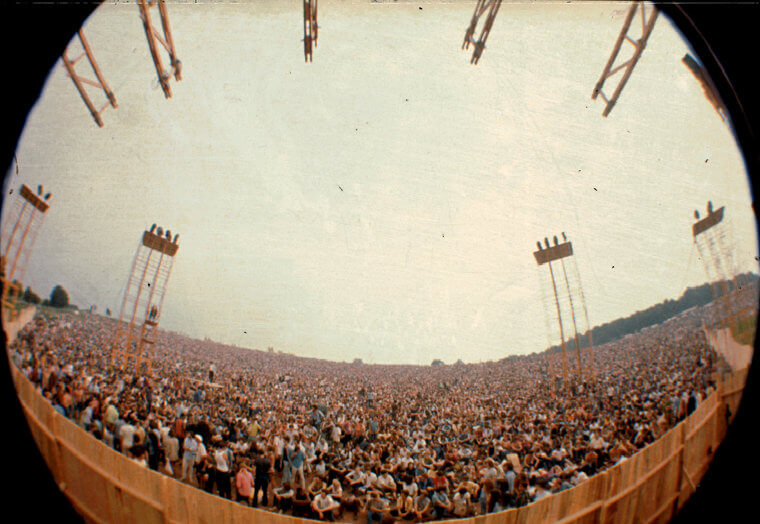
He gently suggested staying away from it if they wanted a smooth experience, proving that even in chaos, someone was looking out for them.
It Was Originally a For-Profit Event - It Was Declared a "Free Concert" Only After the Fences Fell
Woodstock was never intended to be a charitable endeavor; the organizers, four young men in their twenties, originally sold tickets for roughly $18 for a three-day pass. However, as hundreds of thousands of people began arriving days early, the flimsy chain-link fences and ticket booths simply could not hold back the tide. But then the promoters realized that attempting to collect money or enforce security would likely cause a dangerous stampede or a riot.
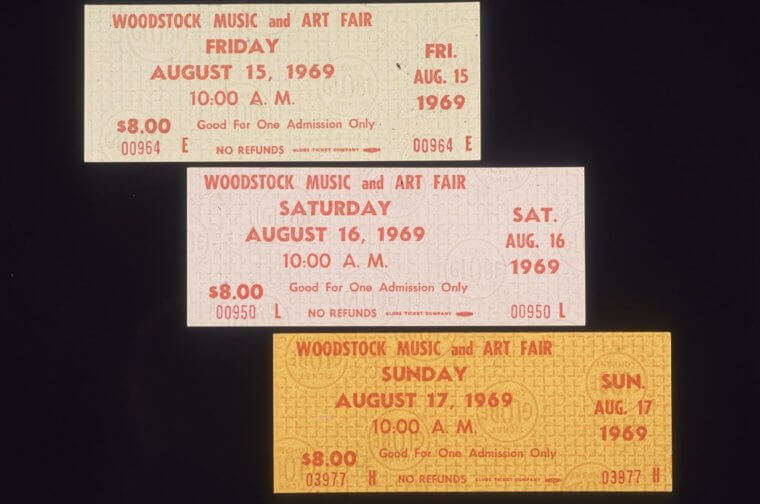
So they made a split-second decision to declare it a free event. This choice turned the festival into a cultural phenomenon but reportedly left the organizers in massive debt for years.
The U. S. Army Had to Airlift Food and Medical Supplies After Originally Refusing to Help
Because the roads were completely blocked by abandoned cars and millions of people, the only way to get supplies in—and medical emergencies out—was by air. Initially, the U.S. Army reportedly hesitated to get involved, as local officials were close to declaring the festival a "disaster area." However, once the gravity of the food and medical shortage became clear, the military stepped in with a show of humanitarian grace.
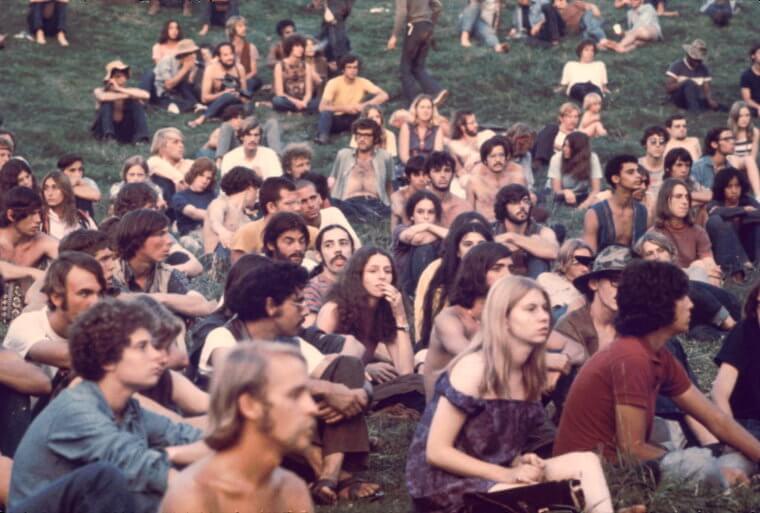
Helicopters began ferrying in thousands of sandwiches, blankets, and medical teams. While the crowd was initially wary of the "choppers" overhead, they eventually cheered, realizing the soldiers were there to help.
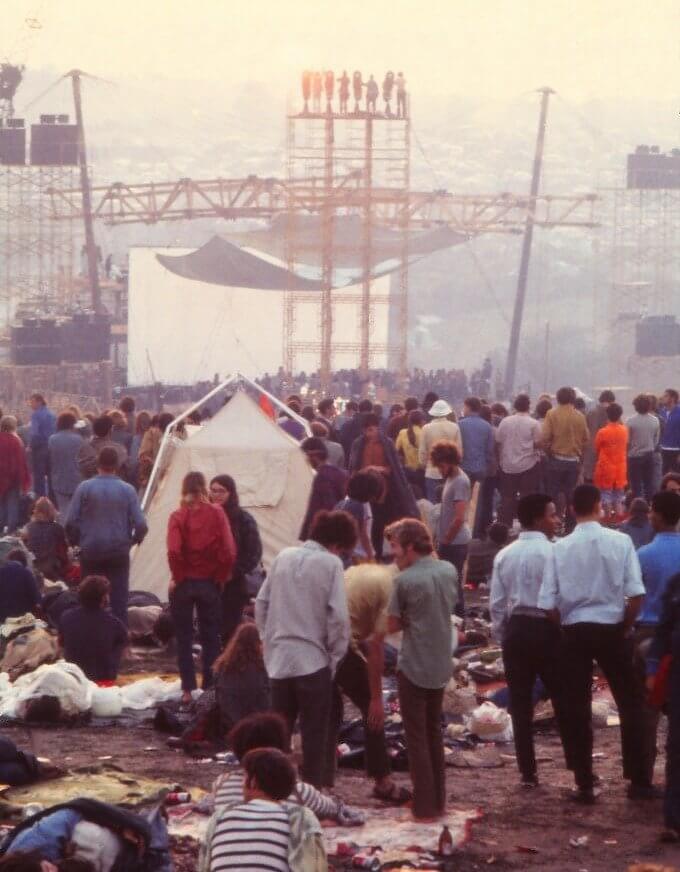
There Were Only 600 Portable Toilets for the Entire Crowd of Half a Million People
Logistics at Woodstock were a monumental challenge, and the sanitary conditions quickly became one of the festival's most infamous struggles. With an expected crowd of 50,000 ballooning into nearly half a million, the 600 portable toilets on-site were woefully insufficient for the masses. Attendees reportedly faced agonizingly long lines, sometimes waiting hours just to utilize the facilities. The situation was allegedly described by some as a "health department's nightmare," yet the crowd remained remarkably patient despite the mounting discomfort.
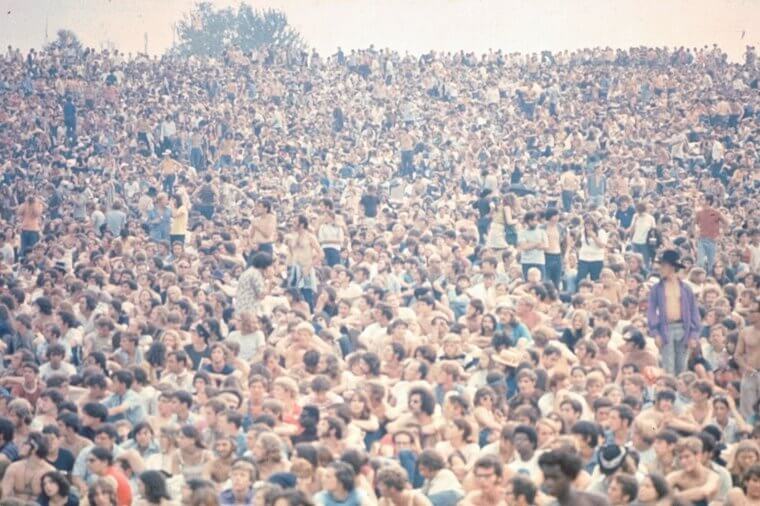
This lack of infrastructure forced many to get creative, further cementing the event's reputation as a gritty, unfiltered, and truly communal experience in the mud.
The "Please Force" Security Team Was Armed Only With Cream Pies
Security at Woodstock was handled by an unlikely group known as the "Hog Farm," a California-based commune led by the colorful activist Wavy Gravy. Eschewing traditional uniforms or weapons, this "Please Force" relied on humor and gentle persuasion to maintain order among the masses. They reportedly carried nothing more threatening than colorful clothing and, in some legendary accounts, actual cream pies. The philosophy was simple: if someone started causing trouble, the security team would come to the rescue.
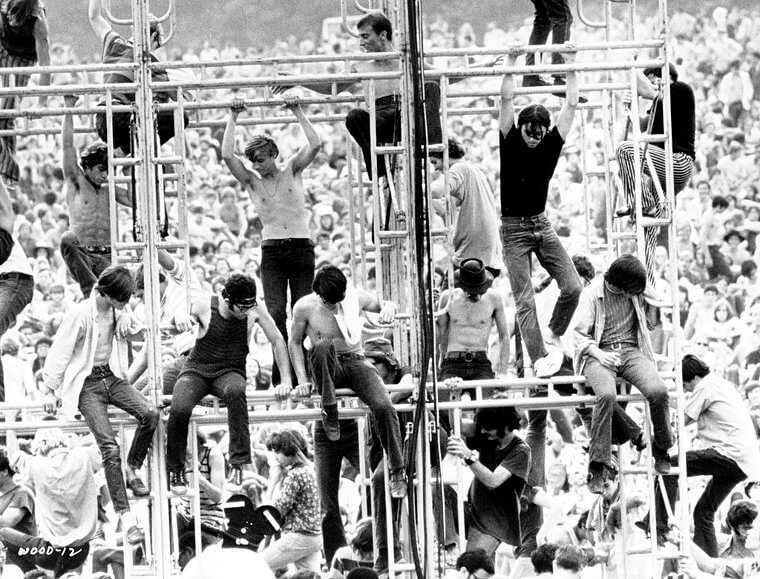
They would gently "pie" them or use non-confrontational techniques to diffuse the tension. This experimental approach to peacekeeping allegedly worked perfectly, as the festival remained remarkably non-violent throughout.
A Local Doctor Treated 3,000 People for "Foot Rot" From the Mud
The relentless rain and the sheer volume of people transformed the rolling hills of Bethel into a massive, ankle-deep soup of sludge. This created a significant medical challenge for the onsite staff, led by local volunteer physicians and Red Cross workers. One dedicated doctor reportedly treated over 3,000 festival-goers specifically for "foot rot," a condition caused by feet being submerged in wet, muddy socks and shoes for days on end.
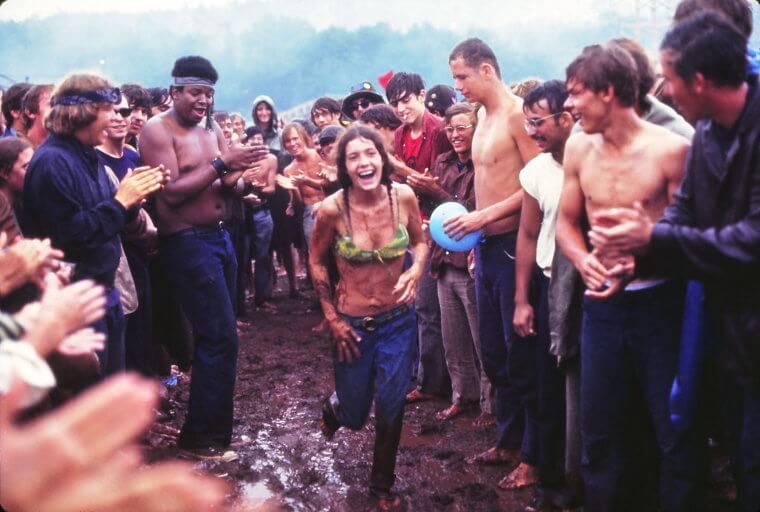
Without dry clothes or a way to escape the dampness, attendees suffered from painful skin irritation. The medical tents became a sanctuary where exhausted fans could finally get their feet cleaned and bandaged.
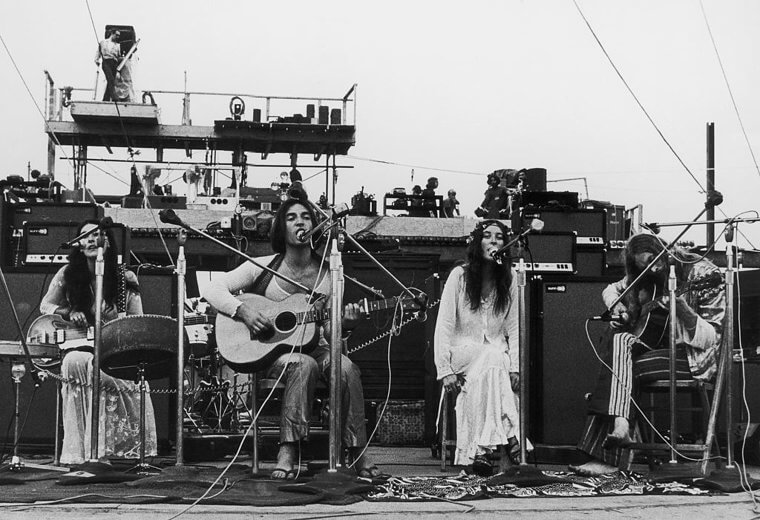
Sweetwater’s Lead Singer Was Arrested on the Way to Woodstock and Then Lost Her Voice After Breathing in Heavy Stage Smoke
The band Sweetwater was actually slated to be the first act to take the stage at Woodstock, but their journey was plagued by bad luck. Lead singer Nancy Nevins was reportedly arrested while traveling to the festival, though she was eventually released in time to perform. The chaos didn't end there; the thick, humid air and heavy stage smoke allegedly took a toll on her vocal cords during their set. She later described the experience as a struggle to maintain her range while breathing in the heavy atmosphere.
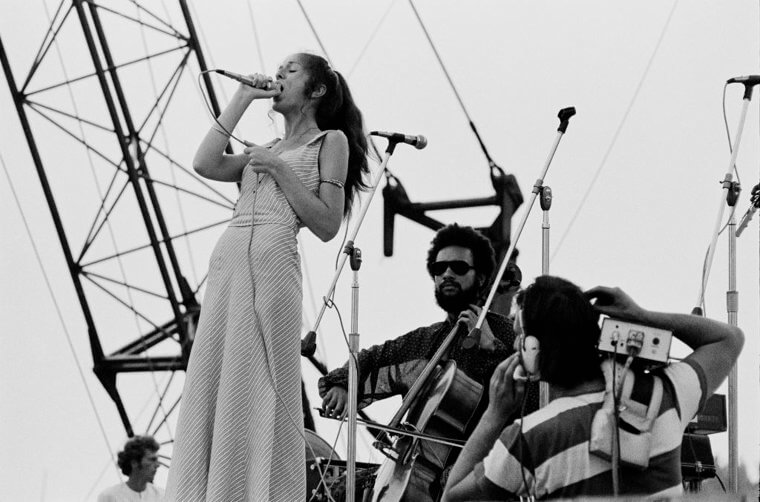
Despite these hurdles, Sweetwater delivered a hauntingly beautiful performance that remains a legendary piece of the festival's lore.
There Were 2 Births and 3 Deaths at Woodstock
The statistics of Woodstock are often debated, but the most widely accepted lore suggests that the festival saw the full circle of life within its muddy borders. Amidst the music and rain, two births were reportedly documented—one in a car stuck in the legendary traffic jam and another at a local hospital after the mother was airlifted from the site. On a more somber note, three deaths were allegedly confirmed during the weekend.
These included a tragic tractor accident involving a sleeping attendee, and two medical emergencies. Despite these losses, the overall lack of violence among 500,000 people remained a miracle.
The Local Jewish Community Centers Cooked Thousands of Kosher Meals for Attendees Since Festival Organizers Didn't Have Enough Food
When the festival’s food supply vanished almost overnight, the surrounding community of Sullivan County stepped up in a truly miraculous way. Local Jewish Community Centers and synagogues, particularly those in nearby Monticello, reportedly mobilized their members to meet the crisis head-on. These volunteers spent hours in their kitchens, ultimately preparing and delivering thousands of kosher sandwiches and meals to the hungry masses at Max Yasgur’s farm.
This act of intergenerational kindness saw grandmothers and community leaders working alongside students to ensure that the young "hippies" didn't go hungry. It remains a beautiful example of how the local residents chose compassion over judgment during the chaos.
The Massive Cleanup Took Two Months and Cost Thousands of Dollars
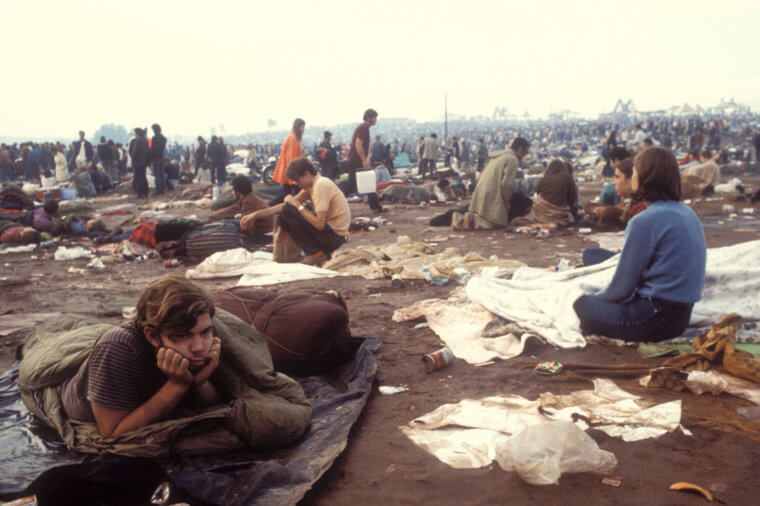
Once the music faded and the last of the half-million attendees finally trekked home, they left behind a landscape that looked more like a battlefield than a farm. The sheer volume of discarded sleeping bags, clothing, and literal tons of trash buried the rolling hills of Bethel in a sea of debris. Cleaning up Max Yasgur’s land was a Herculean task that reportedly took a dedicated crew over two months to complete.
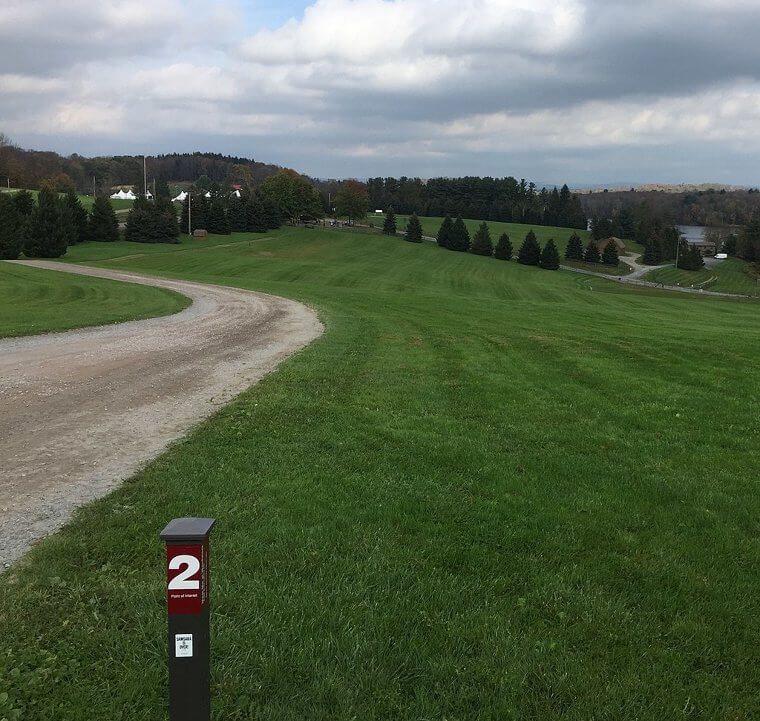
The effort was plagued by lingering mud and the massive scale of the waste, ultimately costing the young organizers tens of thousands of dollars—a staggering sum in 1969.
The U. S. Post Office Had to Set Up a Temporary Branch in a Tent
The logistical needs of nearly half a million people turned a quiet dairy farm into the third-largest city in New York for one weekend. To accommodate the massive crowd, the U.S. Post Office reportedly took the unprecedented step of establishing a temporary branch right in the middle of the chaos. Housed in a simple canvas tent, postal workers handled a surge of postcards and letters from attendees wanting to share their experiences with worried families back home.
This makeshift office became a vital link to the outside world, proving that even amidst the mud and music, the mail still had to go through.
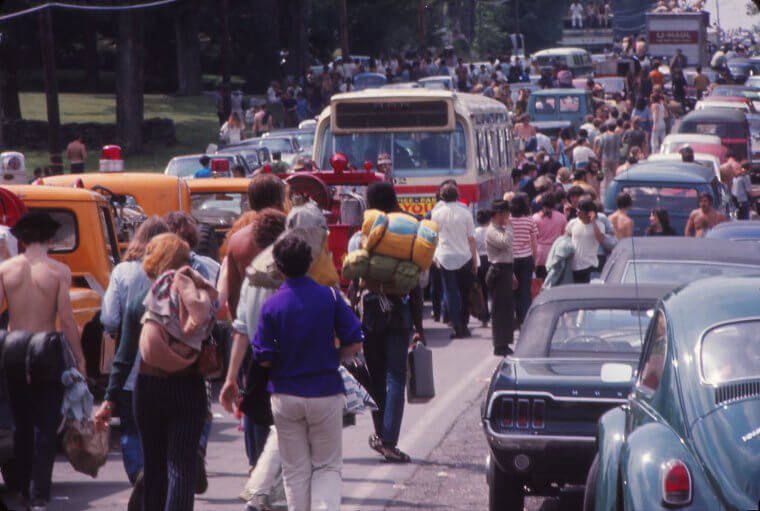
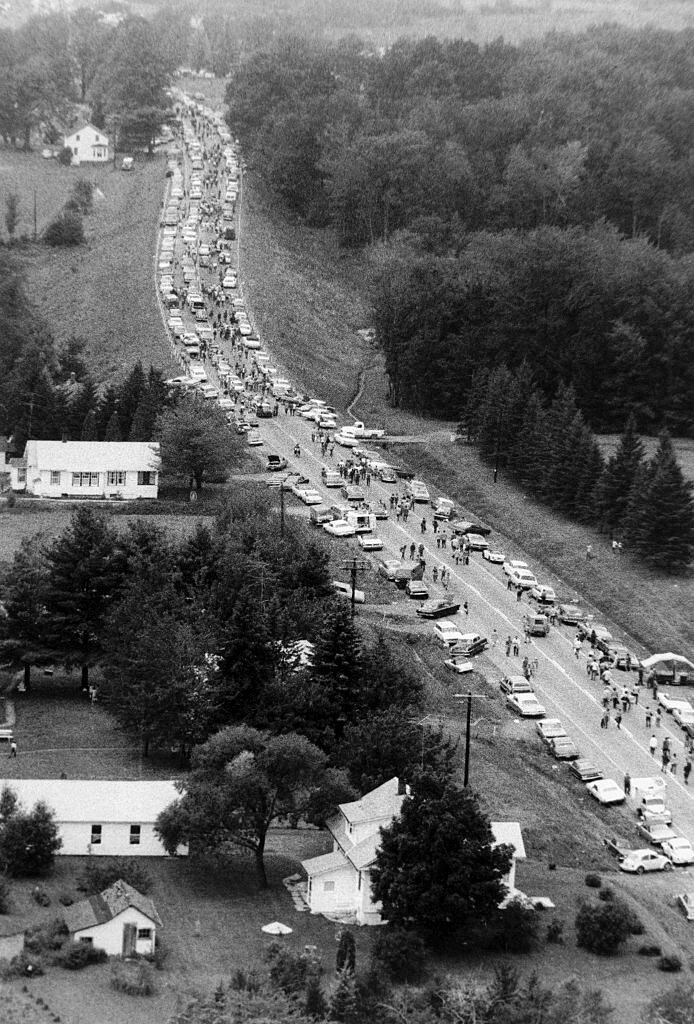
Thousands of People Abandoned Their Cars on the Highway and Walked to Woodstock
The influx of festival-goers was so massive that it created what was arguably the most famous traffic jam in American history. As the narrow, two-lane roads leading to Bethel became completely paralyzed, thousands of frustrated drivers reportedly made a radical decision: they simply turned off their engines, left their cars right in the middle of the highway, and started walking. Some attendees reportedly hiked for over twenty miles with nothing but a guitar or a sleeping bag slung over their shoulders.
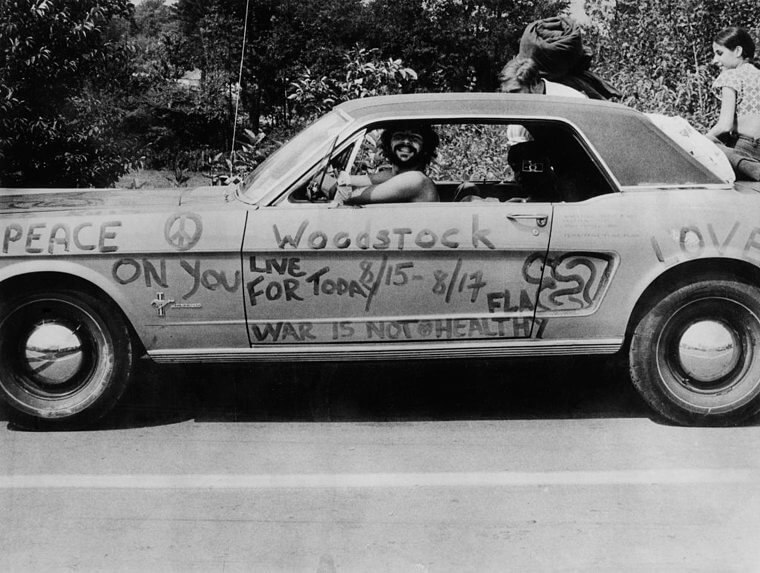
This sea of abandoned vehicles stretched for miles, effectively turning the New York State Thruway into a colorful, stationary parking lot.
Bethel Residents Set Up Emergency "Water Stations" Using Garden Hoses and Buckets
As the sun beat down and the infrastructure of the festival began to crumble under the weight of half a million people, the local residents of Bethel proved to be unexpected saints. Realizing that the attendees were facing a severe dehydration crisis, many families living along the access roads reportedly dragged their own garden hoses to the edge of their property. They spent hours filling buckets, milk jugs, and any available containers with fresh well water for the parched travelers walking toward the farm.
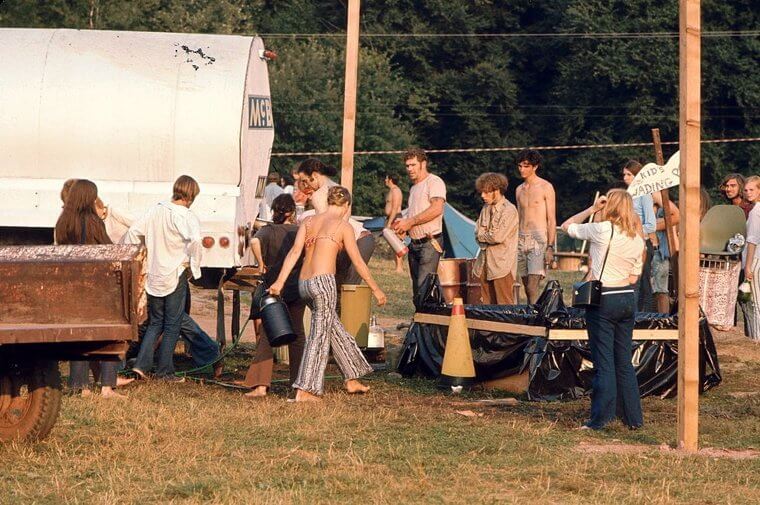
This grassroots effort by the local community provided a vital lifeline during the sweltering, humid weekend and helped Woodstock attendees make the most of their experience.
David Crosby Was "Terrified" During His Set and Jerry Garcia Claimed the Sound System Was "Terrible"
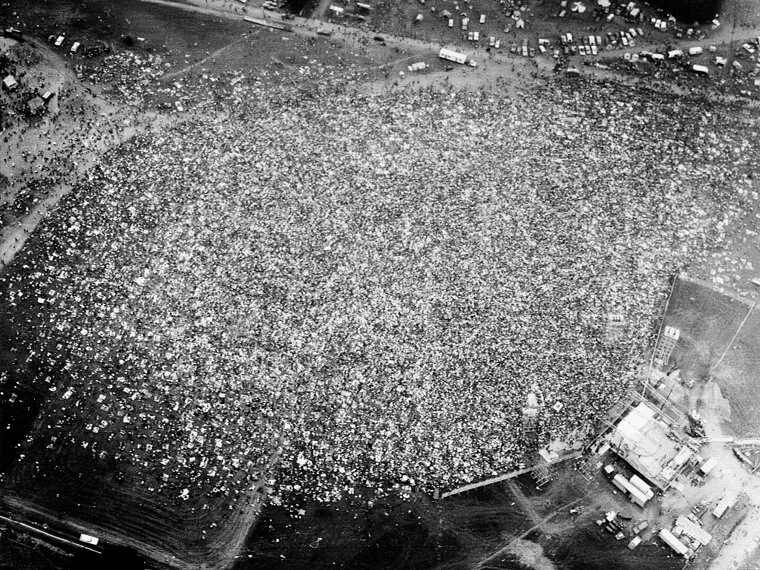
The technical side of Woodstock was a chaotic masterpiece of "making it work," but for the legendary performers on stage, it was often a nerve-wracking ordeal. David Crosby, performing with Crosby, Stills, Nash & Young, reportedly confessed to being absolutely terrified during their set, as it was only their second live appearance together. The sea of faces stretching into the darkness was enough to rattle even a seasoned pro.
Meanwhile, Jerry Garcia of the Grateful Dead was famously vocal about his disappointment, later claiming the sound system was "terrible" and plagued by electrical ground hums that made performing nearly impossible.
The Grateful Dead Were Nearly Electrocuted Onstage
The Grateful Dead’s appearance at Woodstock is often remembered by the band members as one of their most challenging performances due to a perfect storm of technical failures. As heavy rain saturated the stage, the massive electrical grounding became dangerously compromised. Jerry Garcia reportedly recalled seeing blue sparks jumping between the microphones and the band's instruments. Every time they touched their guitars, they received painful electrical shocks that made playing nearly impossible.
The sheer weight of their "Wall of Sound" equipment allegedly caused the wooden stage to groan and shift in the mud, creating a terrifying environment where the risk of fatal electrocution was a very real, constant threat throughout their entire set.
Famous Activist Abbie Hoffman Was Kicked Offstage by Pete Townshend
One of the most chaotic moments during The Who’s marathon overnight set involved a literal clash between rock and roll and political activism. Radical activist Abbie Hoffman reportedly hopped onto the stage while the band was performing to protest the imprisonment of a fellow activist. Pete Townshend, who was notoriously protective of his performance space and deeply annoyed by the interruption, allegedly didn't hesitate to take action.
He famously used his Gibson SG guitar to strike Hoffman, effectively knocking him off the stage and into the photo pit below. Townshend then reportedly leaned into the microphone and shouted that he would "kill" the next person who walked on his stage.
Organizers Faced $1.3 Million in Debt After the Show
While the Woodstock festival is now remembered as a cultural triumph, it was a financial catastrophe for the four young men who bankrolled it. Once the fences were torn down and the event was declared free, the primary source of revenue vanished instantly. Between the massive unbudgeted costs for emergency food, medical airlifts, and the cleaning of Max Yasgur’s farm, the organizers reportedly found themselves buried under $1.3 million in debt.
In 1969, this was a staggering fortune that took years of legal battles and the eventual success of the festival documentary and soundtrack to finally settle.
Janis Joplin Allegedly Spent Her Entire Paycheck Before Even Taking the Stage
Janis Joplin arrived at Woodstock in her trademark psychedelic style, but the long delays behind the scenes reportedly led to a very expensive waiting game. While many artists were stuck in traffic, Janis was backstage for ten hours before her 2:00 AM set. During that time, she allegedly spent her entire festival paycheck on hospitality and high-end treats for her large entourage and the hardworking road crews. The singer was known for her immense generosity and "living for the moment" attitude.
Janis reportedly didn't give the money a second thought. She walked onto the stage penniless but delivered one of the most soulful, electrifying performances of the entire weekend.
The Festival Had No Perimeter Fence for Three Days, Leading Local Residents to Sue Max Yasgur for Property Damage
The absence of a perimeter fence turned Max Yasgur’s private farm into an open invitation for half a million people, but the aftermath was anything but peaceful for the landowner. With no barriers to contain the crowd, attendees reportedly spilled over into neighboring properties, leading to significant trampling of crops and damage to local infrastructure. Frustrated by the chaos and the destruction of their quiet rural life, several Bethel residents allegedly filed lawsuits against Yasgur for property damage and public nuisance.
It took years of legal wrangling for the soft-spoken farmer to settle these claims, proving that "peace and music" came with a very high price tag.
Only 30,000 People Stayed to Watch Jimi Hendrix's Final Performance
Jimi Hendrix is often the face of Woodstock, but by the time he finally stepped onto the stage, the massive crowd had largely evaporated. Originally scheduled to close the show on Sunday night, technical delays and torrential rain pushed his performance back to 9:00 AM on Monday morning. By then, the vast majority of the half-million attendees had already begun the long trek home to beat the traffic and return to their jobs.
It is estimated that only about 30,000 exhausted, mud-caked fans remained to witness his legendary, feedback-drenched rendition of "The Star-Spangled Banner."
Santana Thought His Guitar Was a Snake During His Set
One of the most legendary performances in rock history almost didn't happen because Carlos Santana was reportedly "tripping" much harder than he intended. The guitarist had been told he wouldn't be hitting the stage for several hours, so he allegedly decided to indulge in some of the festival's psychoactive offerings. However, a sudden scheduling shift pushed his band, Santana, into an earlier slot. As he played "Soul Sacrifice," the musician later admitted he was struggling to keep his guitar from turning into a slithering snake in his hands.
He reportedly spent the entire set praying to stay grounded, resulting in the intense, wide-eyed facial expressions captured in the famous concert film.
The "Hog Farm" Commune Managed to Feed 400,000 People Using Only One Metal Pot
When the festival’s official food concessions collapsed under the weight of the massive crowd, the "Hog Farm" commune from California stepped in to prevent a humanitarian crisis. Led by the activist Wavy Gravy, the group famously set up a makeshift kitchen to serve "breakfast in bed" to nearly half a million people. According to festival lore, they relied heavily on a single, massive industrial metal pot to cook endless batches of brown rice, vegetables, and granola.
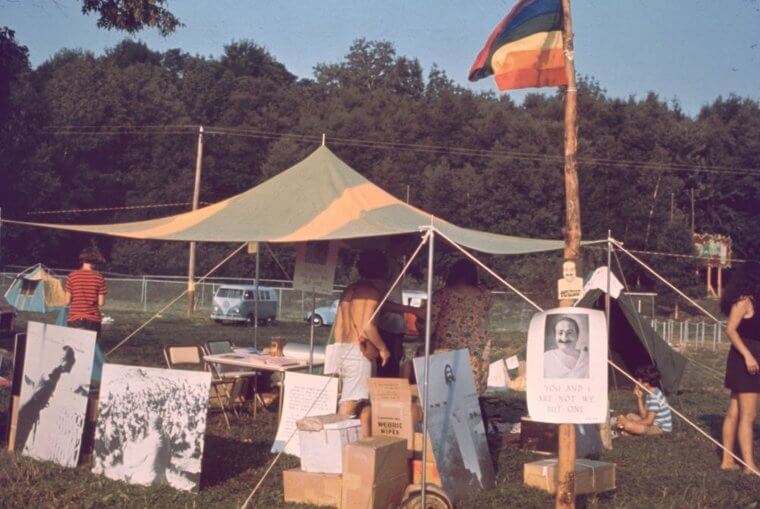
This Herculean effort reportedly kept the peace, as the communal act of sharing simple, hot food from a solitary source became a symbol of the festival’s "spirit of togetherness."
One Man Allegedly Slept Through the Entire Three-Day Festival
Among the half a million people dancing, chanting, and sliding through the mud, there is a legendary tale of one attendee who reportedly missed the entire spectacle. According to festival lore, a young man arrived early at Max Yasgur’s farm, found a comfortable spot under a tree or inside a van, and proceeded to sleep through all three days of music. The air was filled with the roar of amplifiers and the thrum of helicopters.
But he allegedly remained in a deep slumber, undisturbed by the historical significance unfolding around him. He reportedly woke up on Monday morning just as the cleanup crews began their work.
Thousands of Attendees Mistook the "Mud Slides" for a Pre-Planned Religious Ritual
The sight of hundreds of young people stripping down and hurling themselves into the thick, chocolate-colored sludge became one of Woodstock's most enduring images. While most participants were simply trying to make the best of a soggy situation, some onlookers reportedly found a deeper meaning in the chaos. Distant spectators, unable to hear the stage announcements due to the weather, allegedly mistook the synchronized sliding for a pre-planned, communal religious ritual or a mass baptism.
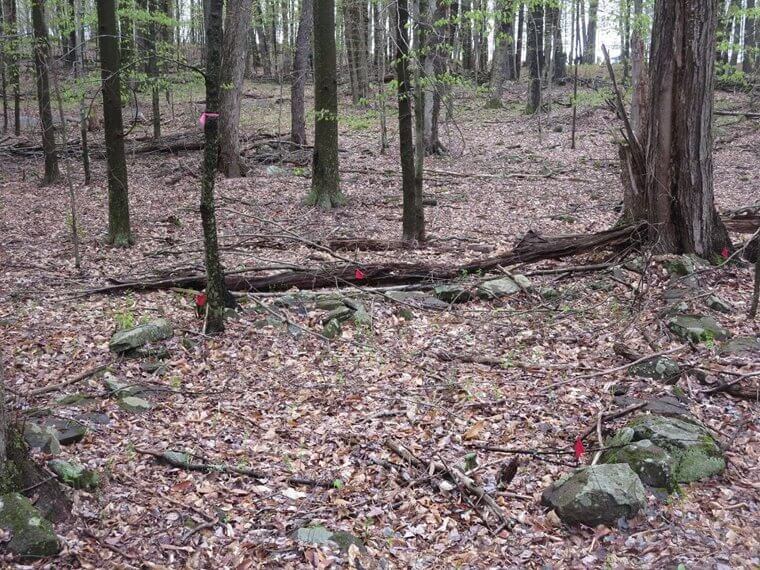
The rhythmic chanting and sheer exuberance of the "mud people" created a spiritual aura that, to some, felt like a sacred cleansing of the soul.
Richie Havens Improvised the Iconic "Freedom" Song on the Spot
The opening of Woodstock was a logistical nightmare that turned into a moment of pure musical brilliance. Because the scheduled opening acts were stuck in the legendary traffic jam, Richie Havens was forced to stay on stage for nearly three hours to keep the swelling crowd calm. After performing every song in his repertoire, he realized he had nothing left to play. Under immense pressure and feeling the weight of the massive audience, Havens reportedly began strumming a frantic, rhythmic pattern on his guitar.
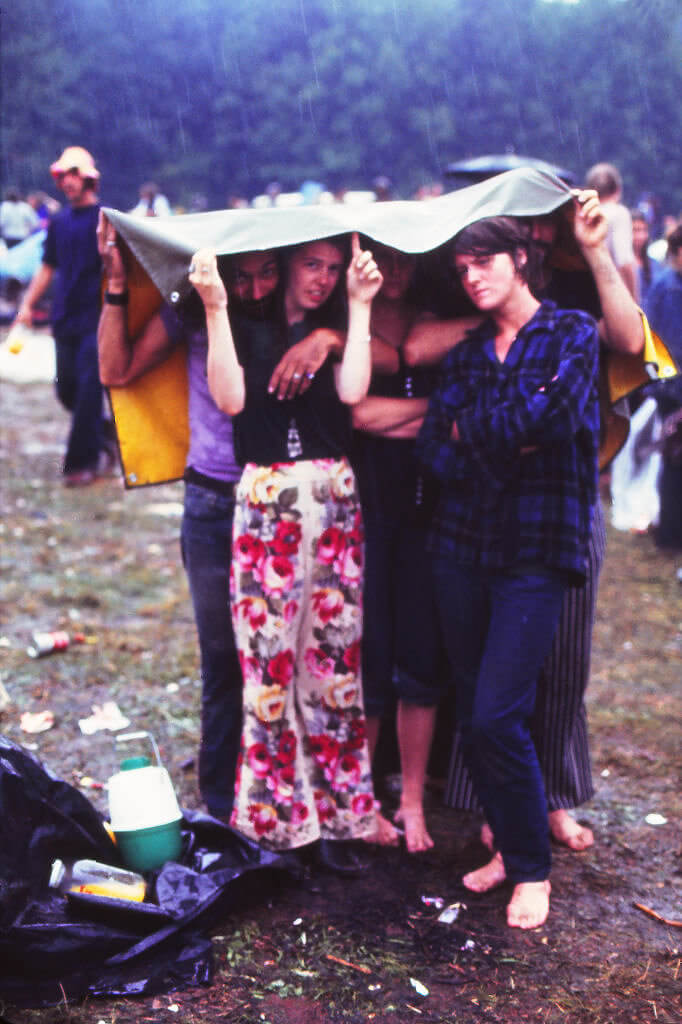
He started chanting the word "Freedom," weaving in snatches of the old spiritual "Sometimes I Feel Like a Motherless Child." This entirely improvised performance became the definitive anthem of the festival. It wasn't just a song; it was a spontaneous reaction to the energy of the moment, captured forever in the concert film as one of the most powerful openings in rock history.
The Grateful Dead’s Equipment Was So Heavy It Cracked the Stage
The Grateful Dead were famous for their massive, custom-built sound systems, but the sheer physics of their gear met its match in the saturated soil of Bethel. As the band’s road crew began hauling their notoriously heavy amplifiers and speakers onto the wooden platform, the structure—already weakened by days of torrential rain—began to fail. The weight was so immense that the wooden planks reportedly began to groan and splinter under the pressure. Witnesses claimed they could hear the stage literally cracking as the "Wall of Sound" precursors were positioned.
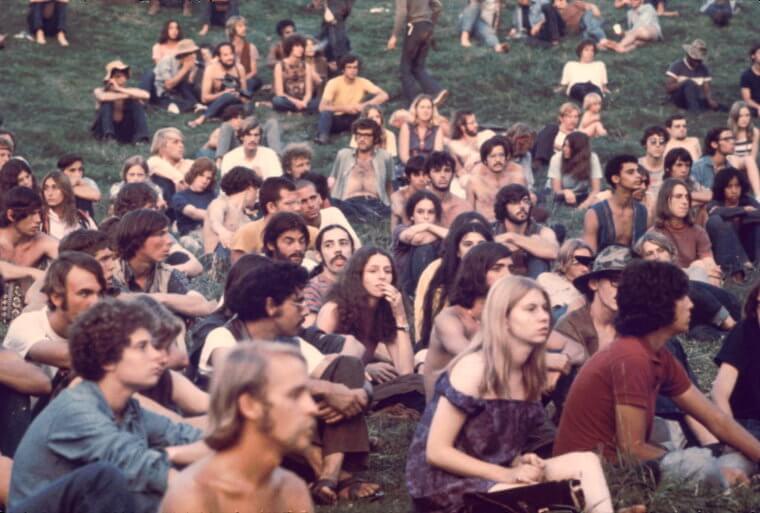
Combined with the mud sliding underneath the foundation, the entire performance area became a tilting, unstable hazard. It wasn't just the music that was heavy; the physical equipment was a structural nightmare that nearly brought the whole show crashing down before the first note of "St. Stephen" was even played.
The "Peace, Love, and Music" Slogan Was Created by an Ad Agency
While the spirit of Woodstock felt entirely spontaneous, the branding that defined it was a calculated masterstroke of 1960s marketing. The iconic "Three Days of Peace & Music" slogan didn't emerge from a drum circle; it was crafted by the Warner, Biederman & Tanzer advertising agency in New York City. The organizers knew they needed to sell a "lifestyle" to get people to trek to a dairy farm in the middle of nowhere. The agency's art director, Arnold Skolnick, was also responsible for the legendary poster featuring a catbird perched on a guitar neck.
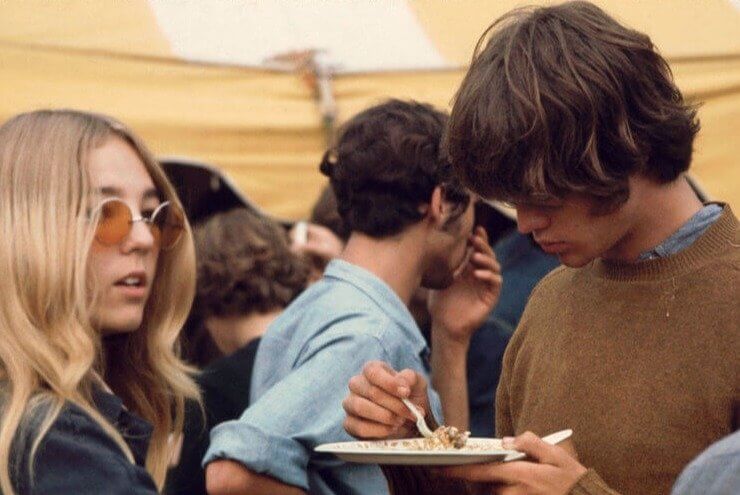
Interestingly, the bird was originally supposed to be standing on a flute, but Skolnick changed it to a guitar to better fit the musical theme. The slogan and the minimalist art successfully distilled a complex, counter-culture movement into a digestible, highly marketable "brand" that resonated with a generation looking for an escape.
The Who’s Pete Townshend Reportedly Hit a Protester With His Guitar
During The Who’s legendary sunrise set, the tension between the high-octane performance and the political climate of 1969 reached a literal breaking point. As the band paused between songs, radical activist Abbie Hoffman reportedly rushed the stage, grabbing a microphone to shout a protest regarding the imprisonment of a fellow activist. Pete Townshend, who was notoriously protective of his "office" on stage and had little patience for interruptions, did not take kindly to the intrusion. He allegedly swung his Gibson SG guitar like a club, striking Hoffman and sending him tumbling into the photographer’s pit.
Townshened then reportedly warned the crowd that he would "kill" the next person who stepped on his stage, before launching back into the music.